 Capilla Real de Granada
Key takeaways
- Tickets are €7 at the door — free Wednesday afternoons, €10 booked ahead, €38 with a guide.
- Free entry 14:30–18:30 on Wednesdays (24 hours' notice required, booked at the official site only). Book a week ahead; it fills in summer.
- You may not photograph inside — the photography ban is enforced, which makes a guide the only souvenir you leave with.
- The Chapel and Cathedral are two monuments, two tickets, two entrances. They sit one wall apart but are independently run.
- Every guided review names its guide — ticket-only reviews name nobody and ask for more information in English.
Where you go, in order
The anatomy of a Royal Chapel visit — start to finish.
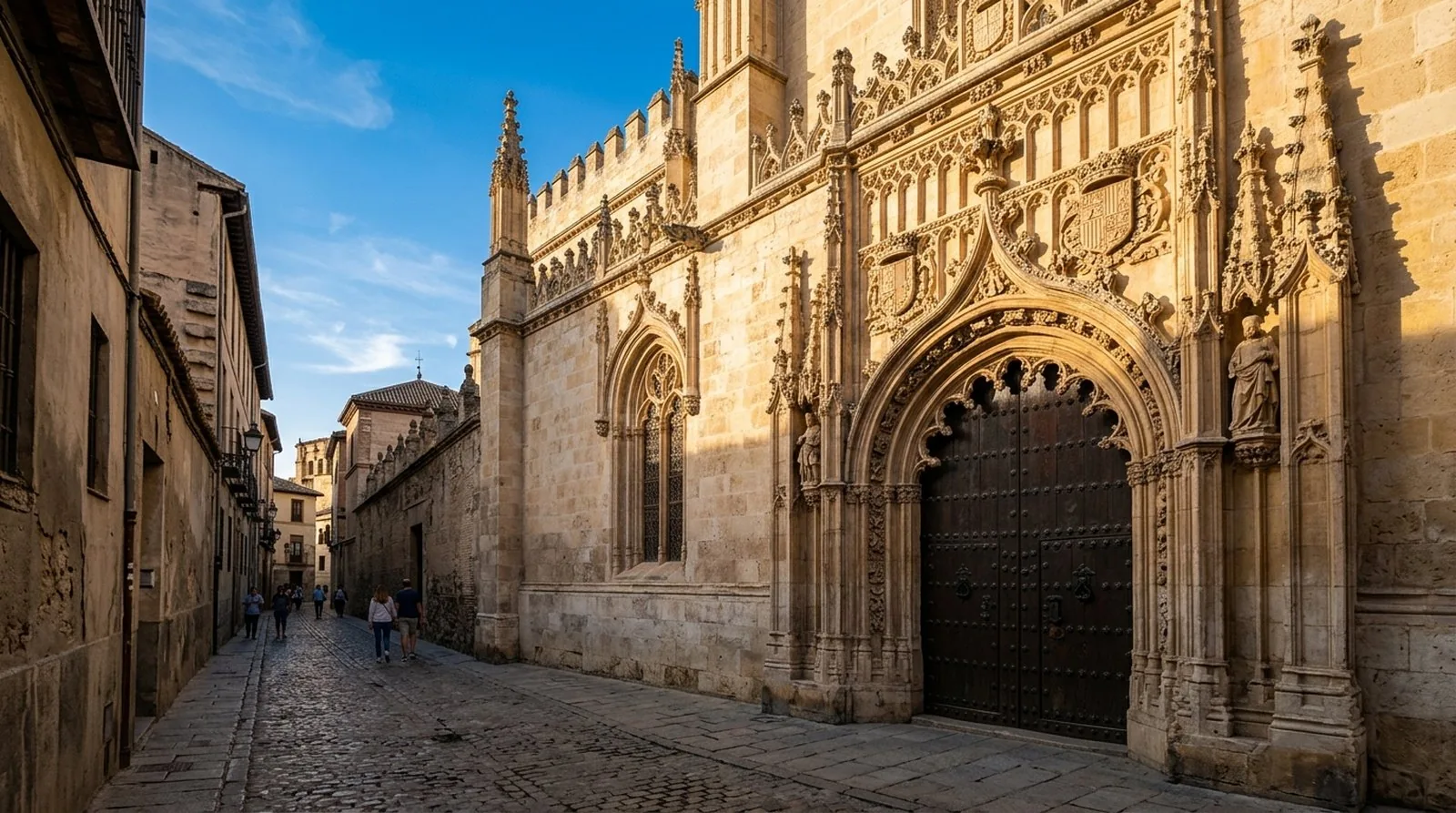
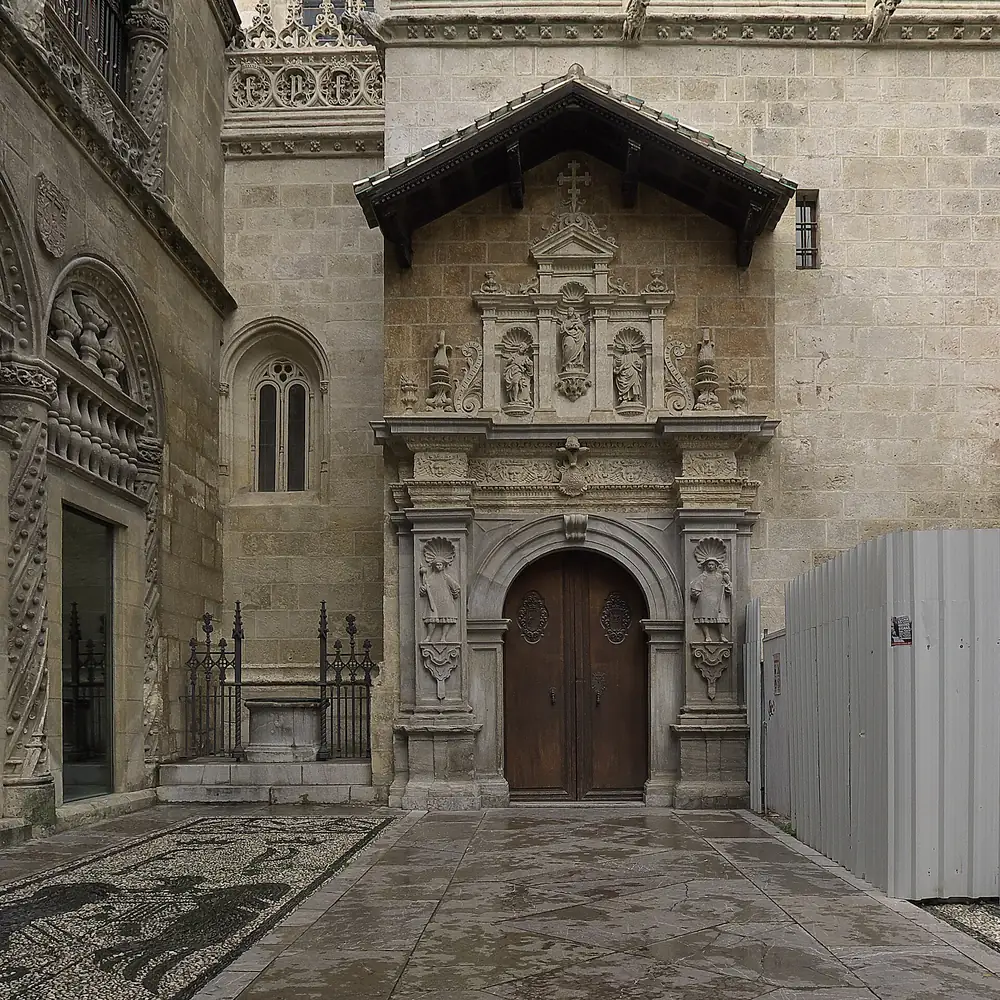
Entry is from Calle Oficios, inside the pedestrian block between the Cathedral and the Alcaicería. A typical visit gathers at the entrance, works through the main gallery, and ends in the sacristy.
- Calle Oficios door — The visitor entrance on the north side of the Chapel, inside a pedestrian block.
- The reja — The gilded wrought-iron screen by Master Bartolomé de Jaén, finished 1520. You see the tombs through it first.
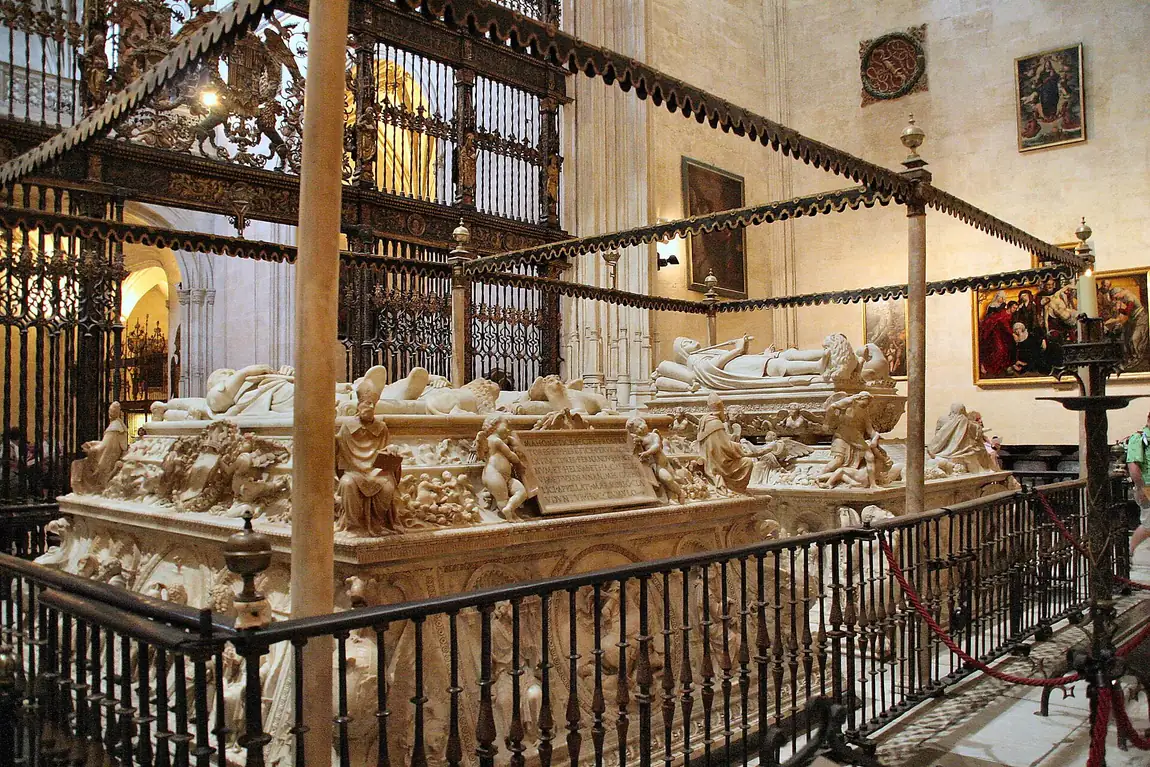
- The Fancelli cenotaph — The marble tomb of the Catholic Monarchs by Domenico Fancelli, completed 1517. Ferdinand in armour, Isabella in court dress.
- The Ordóñez tomb — The second mausoleum of Joanna I and Philip I, larger and more elaborate than the monarchs' — visitors consistently find that surprising.
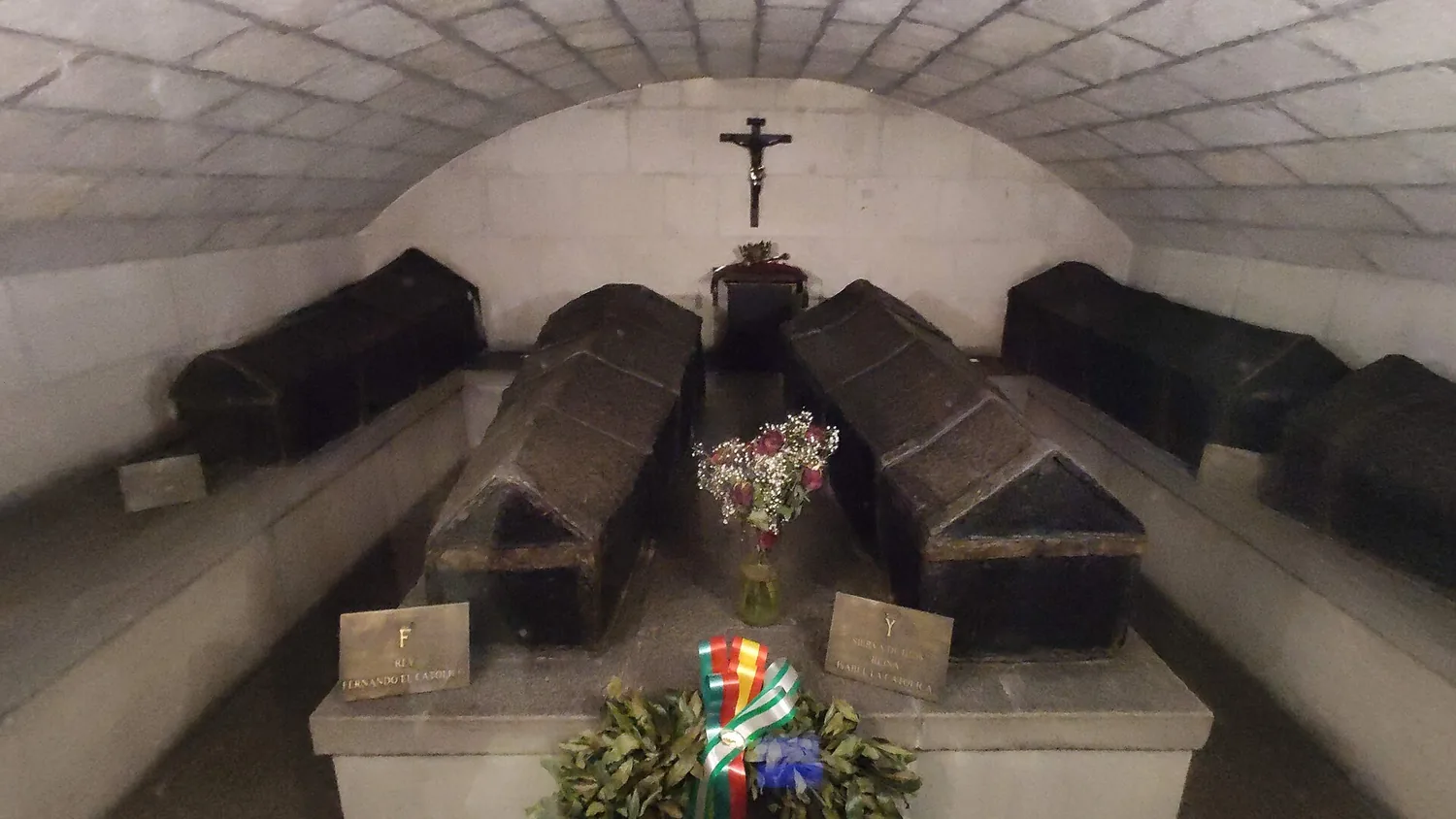
- Down to the crypt — A short stair behind a grille leads to five plain lead coffins on a bare stone floor. The marble above, the lead below — the distance is the visit's emotional centre.
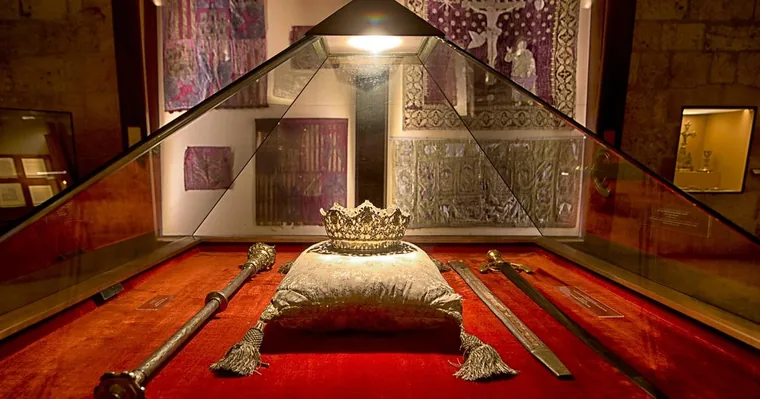
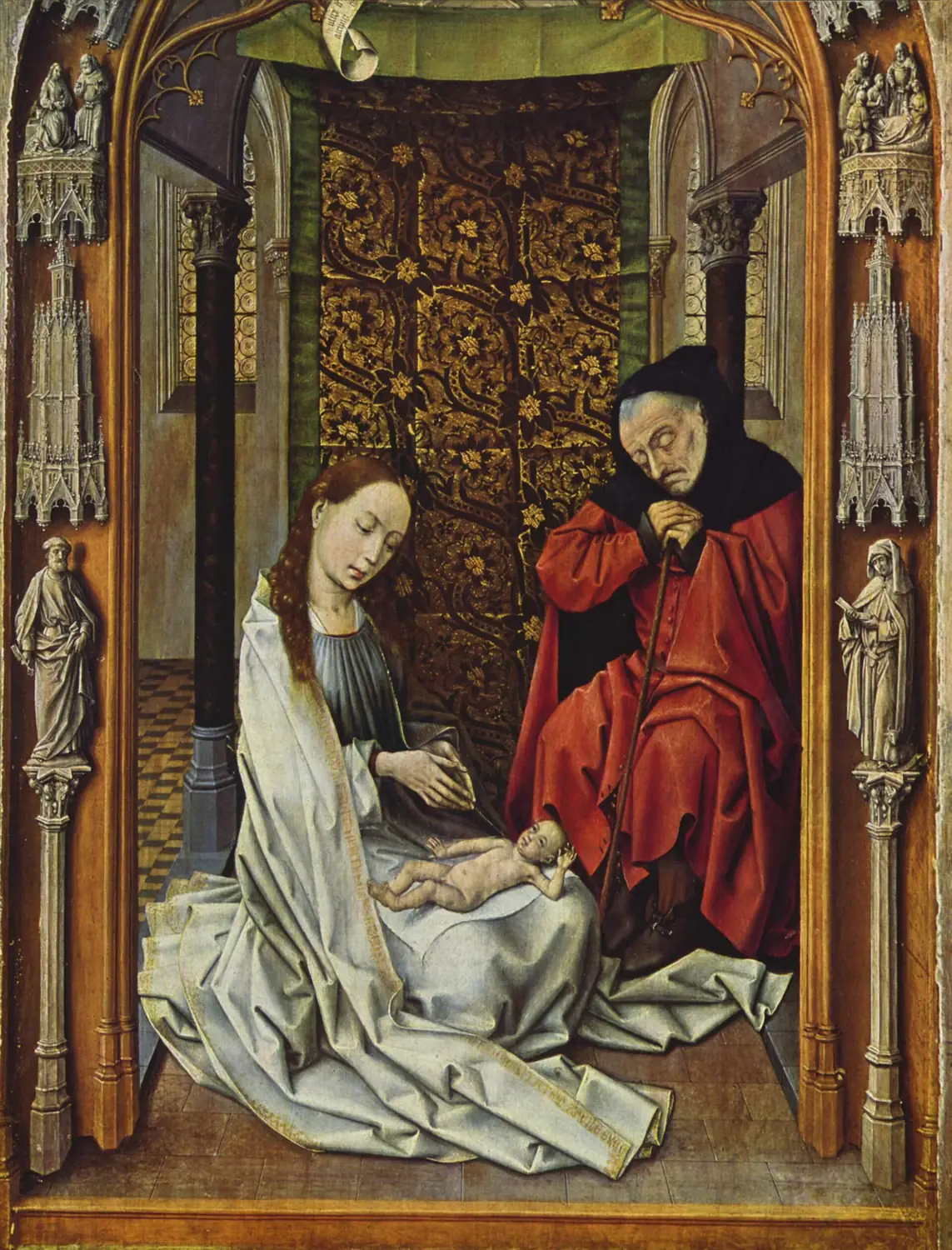
- The sacristy-museum — Isabella’s crown, Ferdinand’s sword, and Isabella’s personal painting collection: Flemish panels (Memling, van der Weyden, Bouts, Juan de Flandes), Botticelli, Berruguete. One of the best small collections of Flemish primitives anywhere.
The whole walk takes about 30–45 minutes. From here you can continue to the detailed breakdown of each stop and the architectural detail, or read who lies in the five lead coffins and why they are in Granada.
How booking works
Pick your option
€7 at the door, €10 booked ahead, €26 with a walking tour, or €38 with the Cathedral guide.
Check live times
See real availability and prices on GetYourGuide. The free Wednesday slot books at the official site only.
Book in seconds
Reserve now, with free cancellation up to 24 hours on most tours.
Just turn up
Your confirmation has everything. The Chapel entrance is on Calle Oficios, inside the pedestrian block.
Royal Chapel of Granada: 3-Hour Cathedral and Chapel Tour
The most-reviewed option on the whole list. Guided in Spanish and English, skip-the-line, both tickets included.
Three ways to visit the Royal Chapel
Entry alone, a walking tour, or the full guided experience with the Cathedral.
| Granada: Royal Chapel of Granada Entry Ticket | Granada: Royal Chapel and Historical Center Walking Tour | Best reviewedGranada: 3-Hour Cathedral and Royal Chapel Tour | |
|---|---|---|---|
| What | Entry only | Walking tour + Chapel | Guided + Cathedral |
| Price | €10 | €26 | €38 |
| Duration | 30–45 min | 3 hours | 3 hours |
| What’s included | No guide, audio app free from app store | Live guide, Chapel only, no skip-the-line | Live guide, both monuments, skip-the-line |
| Group size | Self-guided | Small group | Small group |
| Rating | 4.3★ (116) | 4.4★ (21) | 4.8★ (426) |
| View → | View → | Book this → |
Photo Gallery
The tours, as the operators photograph them
Six of the ten listings on this page, in their own images. The Chapel interior is missing from all of them for the same reason it will be missing from your camera roll.
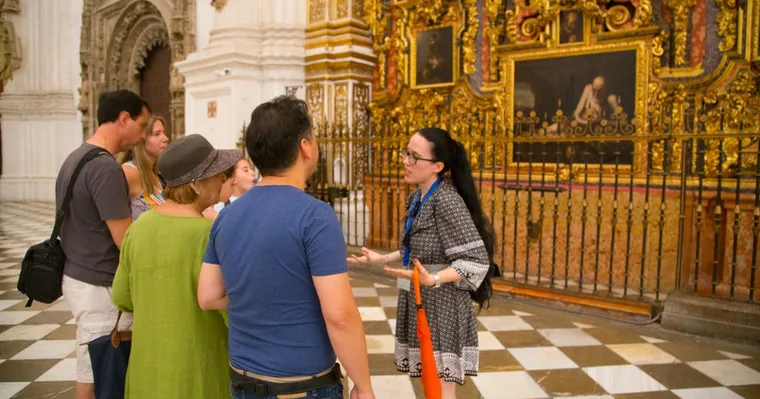
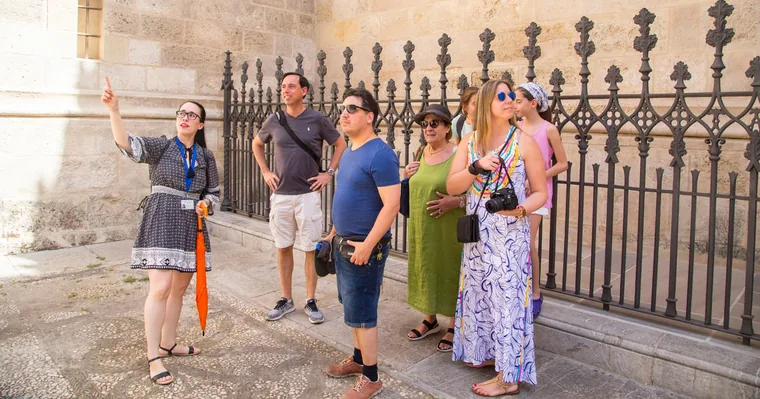
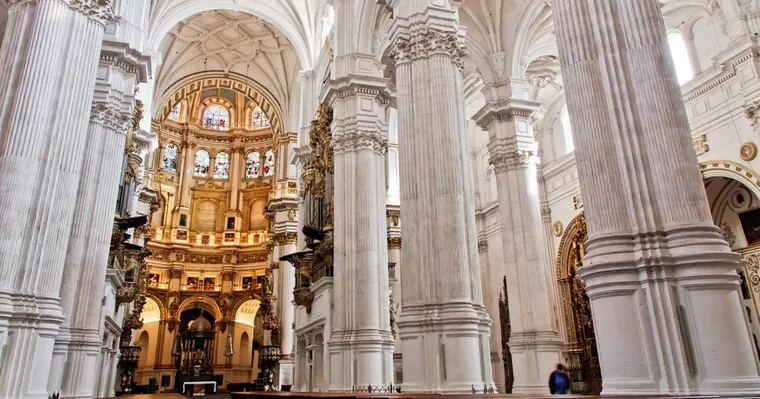
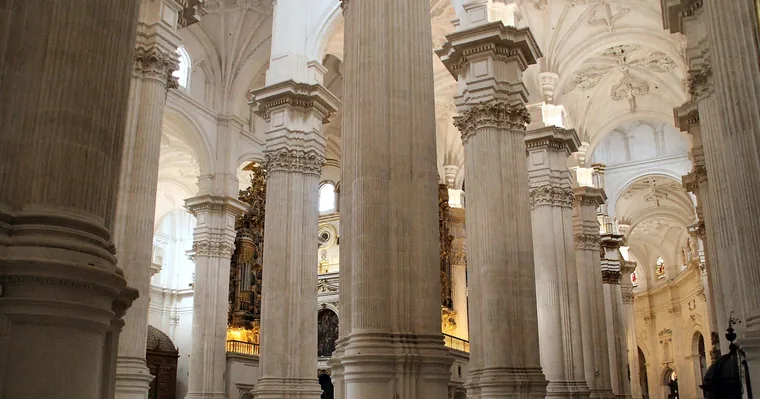
All 10 tours and tickets
From a €10 entry ticket to private guides and Alhambra combinations.
Best reviewedGranada: 3-Hour Cathedral and Royal Chapel Tour
 Ticket only
Granada: Royal Chapel of Granada Entry Ticket
Lowest priceGranada: Royal Chapel and Historical Center Walking Tour
Guided in SpanishGranada: Catedral y Capilla Real
 Small group
Granada: Cathedral and Royal Chapel Guided Tour with Tickets
With the AlhambraGranada: Alhambra, Cathedral & Royal Chapel Tour with Tickets
 Four monuments
Granada: Alhambra, Cathedral, Royal Chapel and Albayzin Tour
 Private, 2 hours
Granada: Royal Chapel and Cathedral Private Tour with Ticket
 Private
Granada: Private Cathedral and Royal Chapel Tour
Most reviewedGranada: Cathedral and Royal Chapel Private Tour with Ticket
What the Royal Chapel actually looks like
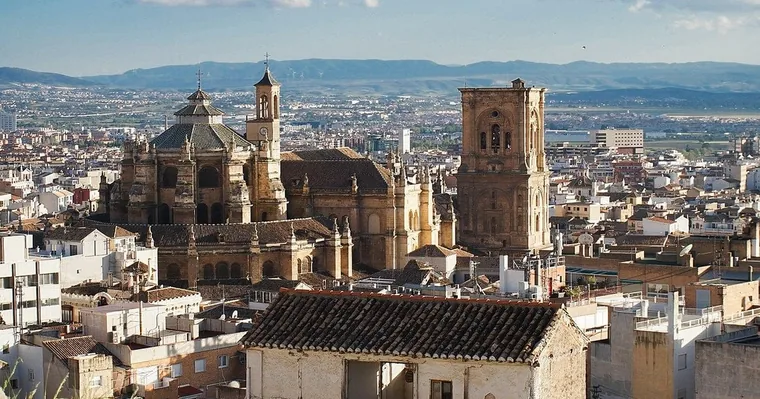
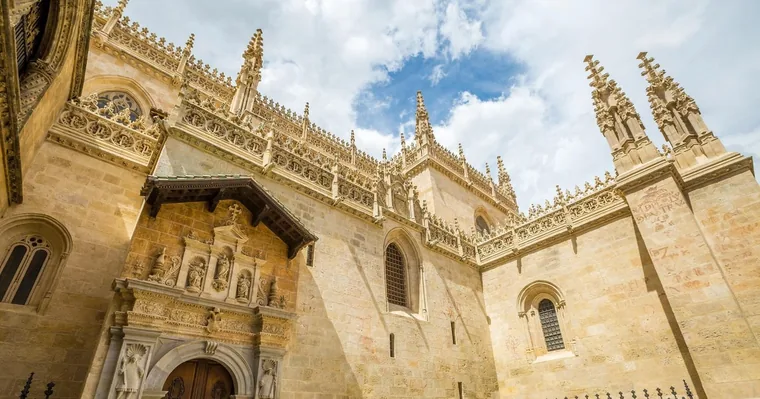
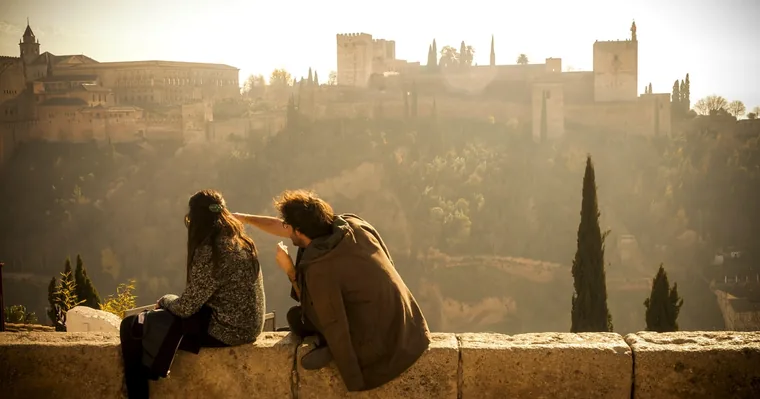
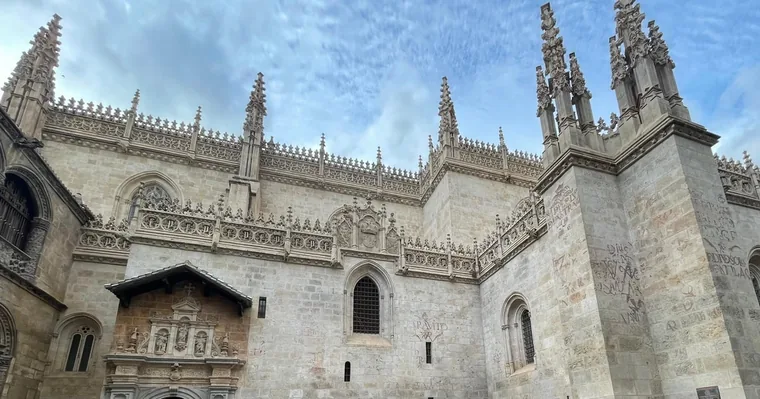
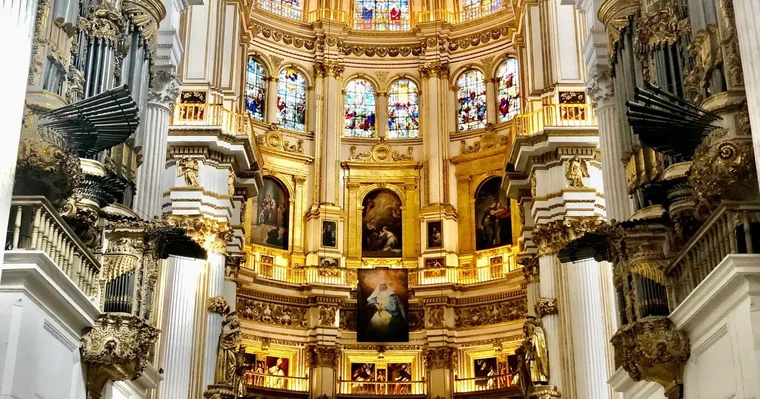
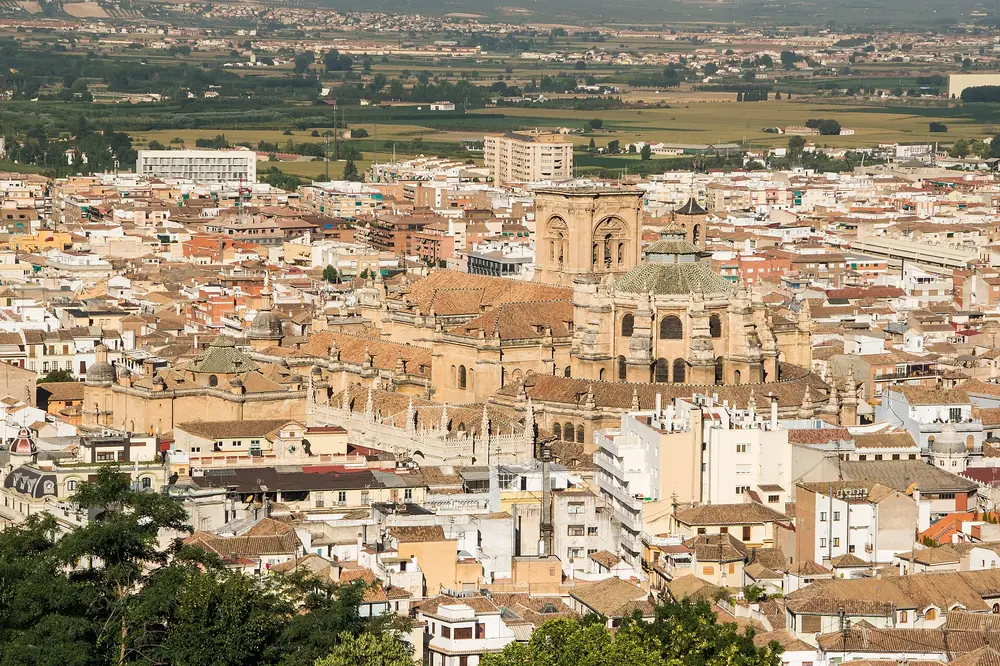
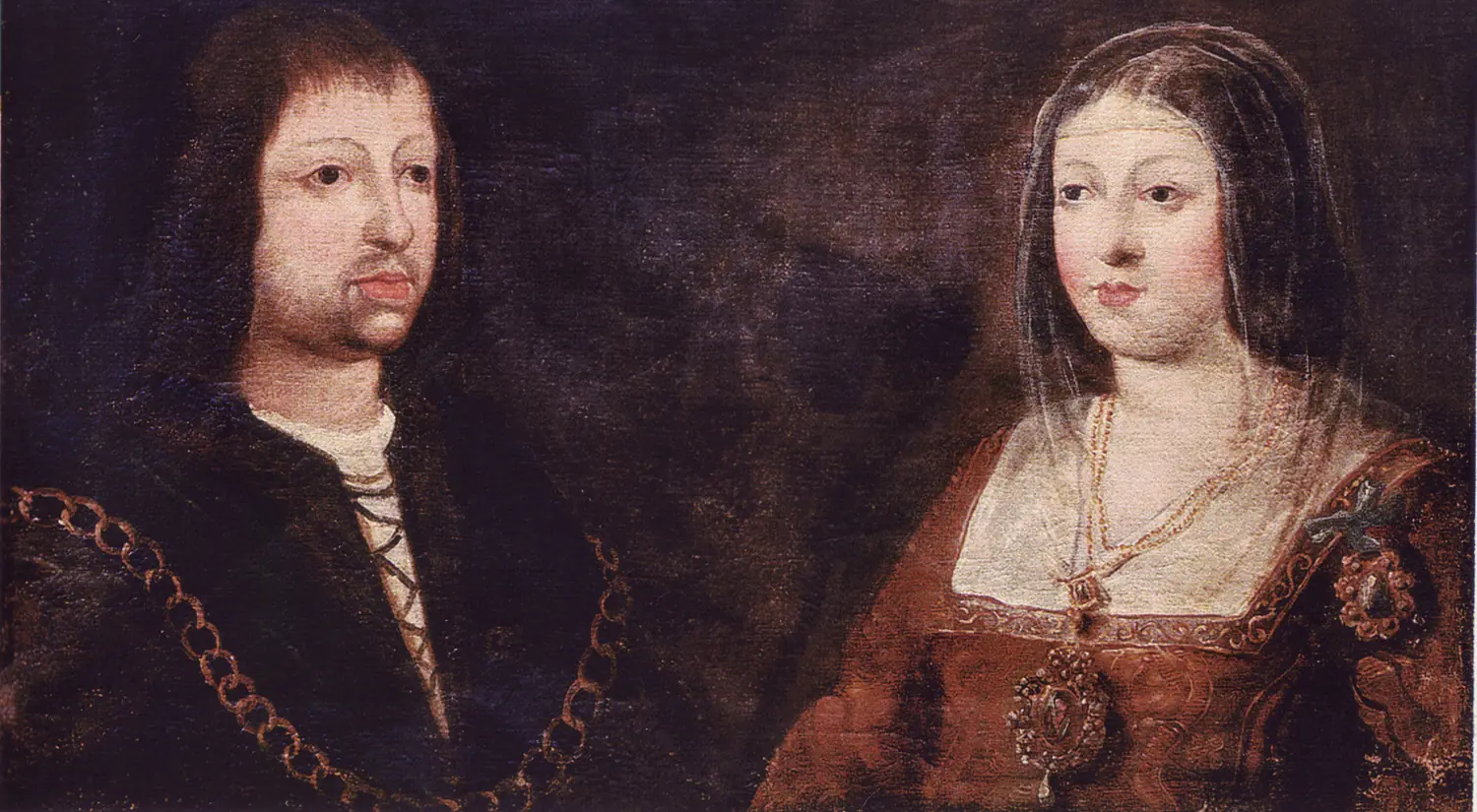
Real photographs, not illustrations — the Isabelline doorway, the quarter from the Alhambra, the cenotaph, the crypt, the monarchs themselves and one panel from the sacristy collection. Click any photo to see it full-size.
What visitors say
Real reviews from people who went inside.
The BEST possible tour guide, Amelia. Could not have asked for more.
A bit like our Wawel. Little information in English.
Highlight was my guide Stella, who always had another nice fact (gossip). Patient and learned.
The guide seriously knows his history. Every question answered.
The crypt and the Isabella section were the most moving parts.
Rocío went above and beyond working around closures. Attentive and professional.
Ratings and reviews are the operators’ live GetYourGuide figures. Read our full tour reviews ›
Quick answers before you book
The essentials so you understand what you are paying for and what you cannot do.
Is it worth visiting?
Yes, if you have an hour and want to understand the crypt and the Flemish collection. The marble tombs above contrast deliberately with the plain lead coffins below.
Where is the tomb of Ferdinand and Isabella?
Down a short stair behind a grille: five plain lead coffins on a stone platform in the crypt. The marble cenotaph you see first is not their grave — it is Isabella’s decoration.
Who is buried here?
The Catholic Monarchs (Ferdinand and Isabella), their daughter Joanna I, her husband Philip I, and the infant prince Michael. Why Granada, and why Isabella died in 1504 and Ferdinand remarried.
Is the Cathedral free?
No. The Cathedral is a separate monument with a separate €7 ticket (or €10 during the Kerygma exhibition, 8 May–28 Nov 2026). They sit one wall apart; many visitors misunderstand they are two places.
Can I take photographs inside?
No. Photography and video are prohibited inside and it is enforced. What to do instead, and why narration is the entire souvenir you leave with.
Do I need to book in advance?
Not essential. A €7 ticket sells at the door (10:00–18:30, closed 13:30–14:00 and 18:00–18:30). Book ahead for €10 through GetYourGuide to skip the queue and secure a timed slot in summer.
How long does it take?
30–45 minutes on a self-guided visit. An hour if you read the museum labels. Quietest at opening and again 14:00–16:00. Hours and when to visit to avoid crowds.
Can’t make these dates?
Browse more available Royal Chapel of Granada tours and find one that fits your schedule — all with instant confirmation and free cancellation.
The Royal Chapel, explained
If you walk into the Royal Chapel unprepared, the first thing you notice is the marble. The Fancelli cenotaph sits at eye level — a Renaissance monument in white Carrara, completed 1517, with Ferdinand in full armour and Isabella in court dress. It dominates the room. But the cenotaph is not the grave. Down a short stair behind a gilded grille sits the crypt, and there, on a bare stone floor in the cold, are five plain lead coffins. That distance — from the marble above to the lead below — is the visit’s entire reason for existing.
Why the contrast matters
Isabella died on 26 November 1504 at Medina del Campo, aged 53, and was buried first in a convent chapel up on the Alhambra hill. The Chapel you walk into today was still being finished. The Florentine sculptor Domenico Fancelli completed the Carrara cenotaph in 1517, and it was the couple’s grandson Charles V who brought the family down here for good and set the Cathedral going next door. So the building holds two decisions at once: the marble on the floor above, and the remains in lead beneath it. The marble says immortality. The lead says dust. Nobody made you choose between them, which is rather the point.
A label in a museum tells you Ferdinand wore armour and Isabella wore a court dress. A guide points at both tombs — the cenotaph and then down at the grille — and you feel the contrast. That is what you are paying for when you book a guide.
Why the photography ban changes everything
Almost every other monument in Granada lets you photograph. You leave with pictures and memories. The Royal Chapel forbids it — inside, photography and video are prohibited, and it is enforced. Your phone stays in your pocket from the door to the exit.
That single rule changes what this place is. It means the only thing you carry out is what someone told you. Not a picture of the tomb or the column, but a story about why the monarchs are here, why Isabella chose Granada, what the contrast between marble and lead was meant to say. You come to buy a €7 ticket, and you leave because a person spent an hour teaching you to see it differently. The ticket is the admission. The person is the product.
The sacristy collection you do not expect
After the crypt, most visitors move into the sacristy-museum without much anticipation. It holds Isabella’s crown and Ferdinand’s sword, which is worth seeing. But the paintings change everything. Isabella collected Flemish masters: Memling, van der Weyden, Bouts, Juan de Flandes, with a Botticelli and a Berruguete besides. It is a small room and it holds one of the better collections of Flemish primitives anywhere, hung at a scale most museums would never allow you to stand this close to. Lieven, a Belgian visitor, wrote his whole review about the Flemish Primitives and nothing else. Almost nobody arrives expecting this part, which is why I have stopped mentioning it until we are standing in the doorway.
What a ticket gets you
A Chapel entry ticket — €7 at the door, €10 if you book ahead — covers the lot: the reja, the cenotaph, the crypt, the sacristy, the paintings. A typical visit is 30 to 45 minutes. You can do it alone with the free audio-guide app or a paper label. You see the marble and the lead and the paintings. Many visitors are happy with that.
What I add, on a good day, is smaller than people expect. I tell you why the Catholic Monarchs are in Granada at all — they took the city from the Nasrids in 1492 and wanted to be buried in the proof of it. I point at the armour and then at the plain court dress and let you decide what the sculptor was saying. I mention, before we turn the corner, that the second tomb is the daughter’s and that it is larger and finer than her parents’, because otherwise you will walk past it. Then at the crypt grille I stop talking, which is the part of the job that took me longest to learn.
What I would actually do
If you are on a tight budget or a tight morning, buy the ticket, go in, and read the room slowly. Thirty to forty-five minutes is enough and nobody will rush you. If you have the choice, go with somebody who can talk, and take the Cathedral in the same visit while you are at it — it is the other half of the same story and it is through a different door.
And whichever you pick, stand at the grille for longer than feels comfortable. Everything else in the building can be read about afterwards. That cannot.
Frequently asked questions
Is the Royal Chapel worth visiting?
Yes. The distance between the marble cenotaph above and the plain lead coffins in the crypt is the visit’s emotional centre. The sacristy holds one of the best small collections of Flemish primitives anywhere.
Where is the tomb of Ferdinand and Isabella?
In the crypt, behind a grille: five plain lead coffins on a stone floor. The marble tomb you see first is Isabella’s cenotaph by the Florentine Fancelli, completed 1517.
Who is buried in the Royal Chapel?
The Catholic Monarchs, their daughter Joanna I, her husband Philip I, and the infant prince Michael. Why they are in Granada rather than Castile or Aragon.
Is the Cathedral free?
No. The Cathedral is a separate monument and a separate €7 ticket (or €10 during exhibitions). The Chapel and Cathedral are two buildings, two tickets, two entrances — one wall apart but independently run.
Can I photograph inside?
No. Photography and video are prohibited and it is enforced. What that means for what you carry out of a visit.
Do I need to book ahead?
A €7 ticket sells at the door. Book €10 through GetYourGuide to skip the queue and secure a timed slot (important in August). Free entry Wednesday afternoons 14:30–18:30, booked 24 hours ahead.
How long is a visit?
30–45 minutes without a guide; an hour if you read the museum labels. Quietest right at 10:00 opening and 14:00–16:00.
Still have questions? Email us [email protected]